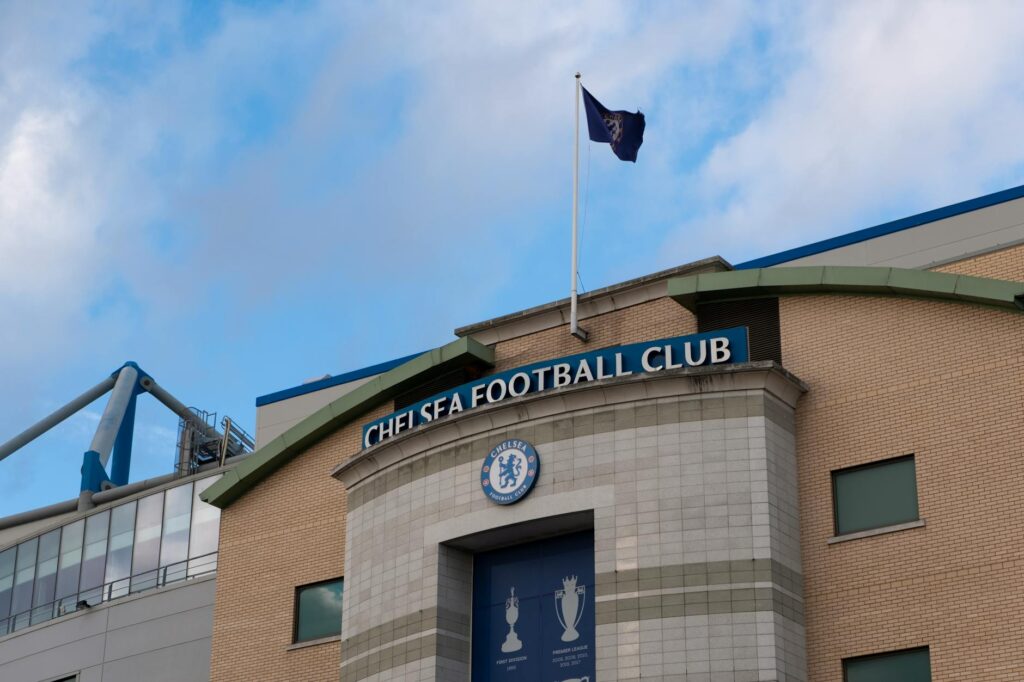
Chelsea have bloody done it. Against all odds, and against every pundit who scribbled them off, the Blues lifted the FA Cup yesterday with a 2-1 smash-and-grab that’ll have Pep Guardiola weeping into his designer scarf. It was May 17, 2026, at the new Wembley, and what a final it was. Two goals in four minutes either side of half-time turned the traditional cup showpiece into a proper ding-dong. When the final whistle blew, the City players looked like they’d been told their cats had died, while Chelsea’s bench emptied in a wave of blue delirium.
The match itself was a perfect cup final farce. Chelsea, written off as no-hopers by everyone from Gary Lineker to that bloke in the pub, started with a back five and a plan so simple it would make a Premier League manager’s head spin: hit them on the break and don’t let the possession-obsessed clowns dictate the tempo. Manchester City, chasing an unprecedented quadruple, dominated the ball like a posh kid with a new toy but created absolutely fuck-all until the 34th minute, when a moment of individual brilliance from Phil Foden levelled the scores. But the real story was Chelsea’s winner—a scrappy, bundled effort from Cole Palmer in the 78th minute that summed up their whole night: ugly, effective, and utterly heartbreaking for the blue half of Manchester.
How the Final Unfolded
The opening goal came from a set-piece, because of course it did. In the 23rd minute, a floated corner from Moisés Caicedo found its way to the head of Axel Disasi, who powered it past Stefan Ortega. Wembley erupted in a noise not heard since the stadium opened—a proper, guttural roar from 40,000 Chelsea fans who’d spent the week being told their team were already losers. City responded with the kind of patient, sideways passing that drives home fans to distraction, and Foden’s equaliser was a moment of magic: a curling shot from 25 yards that gave Robert Sánchez no chance. The second half was a tense, nervy affair until Palmer, on as a substitute, pounced on a defensive mix-up and stabbed the ball home. The winning goal came from Cole Palmer in the 78th minute, and the subsequent 12 minutes of injury time felt like an eternity for Chelsea’s back line, who threw themselves in front of everything.
City threw on Erling Haaland in a desperate attempt to rescue the game, but the big Norwegian was anonymous, a shadow of the goal machine who’d terrorised defences all season. His only contribution was a weak header that Sánchez saved comfortably. It was a performance that will have Guardiola questioning his life choices, while Maresca, the rookie manager, celebrated like he’d just won the lottery—because, frankly, he had.
Tactical Blunders and Masterstrokes
Guardiola’s lineup was a puzzle wrapped in an enigma stuffed inside a waistcoat. He started with a false nine system, dropping Kevin De Bruyne into a midfield role and leaving Haaland on the bench until the 65th minute. The logic? To “control the game” and “dictate the tempo.” The reality? Chelsea’s compact defence soaked up pressure like a sponge and hit them on the break with terrifying efficiency. Maresca, by contrast, set his team up in a simple 5-4-1, telling his players to stay disciplined and wait for their chance. It was football from the dark ages, and it worked beautifully. Guardiola’s decision to leave Haaland out until the second half was a gamble that backfired spectacularly, and the look on his face when Palmer scored was a picture of utter disbelief.
The post-match analysis was brutal. “Pep got his tactics completely arse-about-face,” said Jamie Carragher on Sky Sports. “He tried to be too clever, and Chelsea punished him. Maresca deserves all the credit—he identified City’s weakness and exploited it.” Even Gary Neville, never one to mince words, called it “a masterclass in how to win a cup final against a better team.” The City fans, meanwhile, were left to ponder what might have been. They’d dominated possession (62%), had more shots (18 to 9), but lost because they couldn’t defend a set piece and their superstar striker disappeared when it mattered most.
The Pundits Have Their Say
The reaction from the media was predictably divided. The Guardian’s Barney Ronay wrote: “Chelsea’s victory was a triumph of organisation over artistry, a win for the pragmatists over the poets.” Over at the Daily Mail, they hailed it as “the greatest FA Cup final upset since Wimbledon beat Liverpool in 1988.” But the real fireworks came on social media, where former players weighed in. “That’s why the cup is magic,” tweeted Michael Owen. “Chelsea showed more heart than City did.” Even Roy Keane, never one to praise anyone, grudgingly admitted: “Maresca got his tactics spot on. City were far too nice.”
The players themselves were refreshingly honest. “We knew we were underdogs,” said Palmer after the match. “We just had to believe. When the ball fell to me, I thought, ‘Don’t fuck this up.'” His manager was equally blunt. “We are not the best team in the league,” Maresca said in his press conference. “But today, we were the best team on the pitch. Sometimes that’s enough.” Guardiola, meanwhile, was his usual self: “We created chances, we dominated, but football is unfair sometimes.” Translation: “We lost because my players are cowards.”
What This Means for Chelsea and City
The consequences of this result are massive. For Chelsea, it’s their first FA Cup since 2018 and a ticket to the Europa League group stage. That’s worth around £15 million in prize money and TV revenue, not to mention the priceless boost in confidence for a squad that’s been written off all season. For Manchester City, it’s a devastating blow to their treble hopes. They’d already wrapped up the Premier League, but the Champions League semi-final against Real Madrid now looms even larger. Lose that, and their season will be considered a failure despite the league title. The financial implications are huge too—missing out on the FA Cup final win costs them roughly £4 million in prize money, plus the commercial boost of another Wembley day out.
Looking ahead, Chelsea’s European campaign next season will be fascinating. They’ve got a young, hungry squad and a manager who’s not afraid to make bold decisions. City, on the other hand, face an awkward summer. Guardiola’s contract is up in 2027, but whispers of a move to the Saudi Pro League will only grow louder after this defeat. Haaland’s future is also in question—he looked lost without De Bruyne feeding him, and a move to Real Madrid has long been rumoured. One thing’s for sure: the balance of power in English football might be shifting, and it’s not the blue half of Manchester doing the shifting.
The Fans and the Future
The Chelsea end was a sea of blue joy last night, with fans staying behind to sing their hearts out long after the final whistle. “We said we’d believe, and we did,” chanted one supporter, holding a banner that read “Against All Odds.” The City fans, meanwhile, trudged out of Wembley looking shell-shocked. “I can’t believe we lost to that,” muttered one, gesturing at the Chelsea celebration. “We were the better team, but we didn’t turn up when it mattered.”
What happens next? Chelsea will parade the cup through Fulham on Monday, a tradition that never gets old. City will regroup for their Champions League second leg against Real Madrid on Wednesday. The pressure is now on Guardiola to deliver Europe or face serious questions about his legacy. As for the FA Cup itself, this final proved once again why it’s the most magical competition in world football—because on its day, anyone can bloody win it, even a team written off by every pundit with a keyboard.