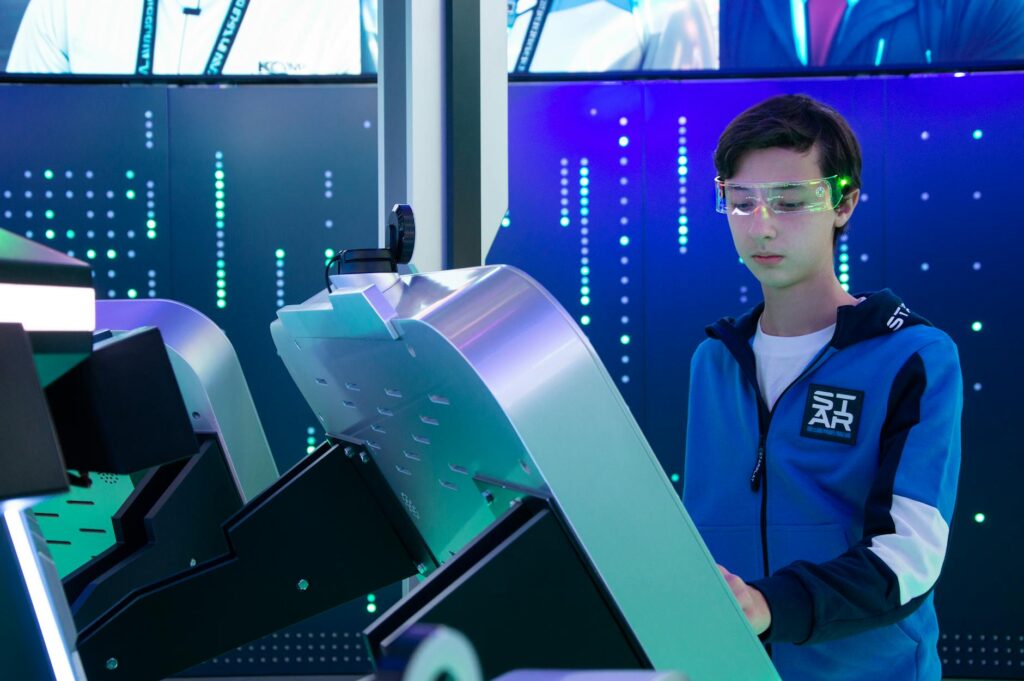
Google Unveils AR Glasses and AI‑Powered Search on 20 May 2026
At precisely 00:03 GMT on 20 May 2026, Google announced the return of its long‑abandoned AR glasses, coupled with a sweeping overhaul of its search engine to incorporate AI at every level. The headline claim was simple: “Google is putting lenses on the future.” The devices, dubbed the Google Glass 3.0, are expected to launch commercially by late 2027. Sources say they will run on a new, lightweight processor and feature a touch‑pad near the eye for interaction.
Google also revealed an AI‑enhanced search experience that promises instant natural‑language answers and contextual knowledge graphs. The move follows a week of backlash over AI bots misreading voters in the Scottish election. The company’s legal team confirmed that the new search will filter out “defensive or duplicative content” to avoid giving users a false sense of certainty. The announcement was a clear sign that Google intends to wrest more of the digital conversation back from rivals.
Gemini Omni: Google’s New Multimodal AI Model
Two days earlier, on 19 May 2026 at 17:59:55 GMT, Google’s blog teased a breakthrough called Gemini Omni. Unlike prior models, Omni is designed to switch seamlessly between text, image, audio, and video understanding within a single framework. The announcement hinted at applications ranging from real‑time translation to creative content generation, touting a “unified AI platform” that can be fine‑tuned for niche industries.
The joint launch of Gemini Omni with the AR glasses suggests a broader strategy: an ecosystem where wearables and cloud AI work hand‑in‑hand to deliver immersive experiences. Reporters noted that if Omni can interpret visual data from the glasses, it could power on‑the‑go contextual overlays for everything from navigation to museum exhibits.
Reacting to the Scottish Election Bot Blunders
Earlier that week, a study exposed that ChatGPT and other AI bots made “huge errors” before the Scottish election, according to The Guardian on 20 May 2026 at 15:32 GMT. The errors ranged from misreporting campaign slogans to incorrectly naming candidates. The fallout saw several political parties calling for stricter AI oversight.
Google’s new search AI faces immediate scrutiny. Critics argue that if search can “dreg out defensive content,” it may also suppress minority viewpoints. The tech press has already begun debating whether these safeguards are a step forward or a slippery slope toward censorship.
Industry Response and Market Implications
Microsoft, Apple, and Meta have all signalled that they are accelerating their own AR and AI initiatives. Analysts predict a flood of patents in the next three months as companies vie for dominance in the consumer AI space. The glasses’ price point, yet to be disclosed, will be a critical factor; a premium tag could alienate mainstream users, while a lower price could dilute the brand’s high‑tech image.
Investors reacted cautiously. Google’s share price dipped by 1.4% in early London trading following the announcement, reflecting worries about production costs and potential regulatory hurdles in the EU.
What Happens Next?
Google will hold a developer preview of Gemini Omni in June 2026, inviting select partners to integrate the model into their apps. The AR glasses are slated for a limited beta release in September, with full commercial availability projected for November 2027. Simultaneously, the company will roll out the AI search overhaul across its global search index, with data privacy reviews scheduled for mid‑2026.
Regulators in the UK and EU are already drafting API guidelines that could affect how Google’s AI can access third‑party data. The technology community will be watching closely for any signs of self‑regulation following the Scottish bot debacle.
My Take: The Future Is Here – If We Can Tolerate the Glitches
Google may have finally solved the puzzle of combining hardware and software into a single narrative, but it’s a classic case of “paint a masterpiece and finish it half‑done.” The glassy sheen of their new AR showpiece can only hide the fact that the underlying AI still struggles with context, a flaw exposed by the Scottish election bots. The promise of seamless, multimodal AI in real life feels ripe for a mess‑up catastrophe.
Going forward, Google’s success will hinge on how well it can manage user expectations, protect data, and dodge the next wave of regulatory backlash. Until then, the tech world can only shake its head and say: “Right, you’ve got a pretty damn shiny pair of glasses, I’ll give you that. But can they see what you’re actually looking at, or just push you into your echo‑chamber?”