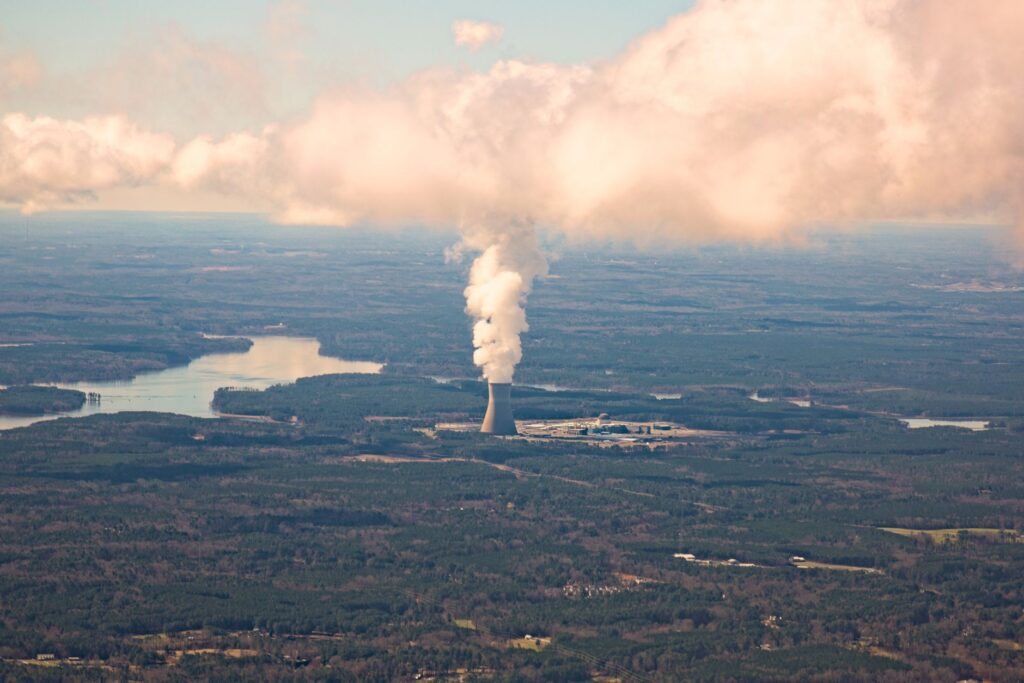
What Happened: US Strike on Iranian Nuclear Plant
On 9 July 2026, US forces launched a strike that hit an Iranian nuclear plant, according to Sky News reporting at 11:40:30 GMT. The outlet quoted the attack as “US strikes ‘hit Iranian nuclear plant’”, confirming the strike’s direct impact on the facility.
The Guardian, publishing earlier at 07:02:00 GMT, added that Iran reported the US attack occurred near the nuclear plant. Both outlets agree the strike took place on the same day, marking a significant escalation in the already tense Gulf standoff.
Trump’s Declaration: Truce Over and Deal Talk
Following the strike, former President Donald Trump declared the truce with Iran “over”. The Guardian captured his remark in its live blog, quoting him as saying the truce “‘over’”. He framed the attack as a decisive end to any lingering pause in hostilities.
Trump also claimed that Tehran now wants a deal, a statement Sky News highlighted with the line “as Trump claims Tehran wants deal”. This contradictory stance — declaring the truce finished while offering negotiations — underscores the volatile diplomatic messaging emanating from Washington.
Iran’s Response: Attack Confirmed
Iranian officials, cited by The Guardian, confirmed the US strike hit near their nuclear installation, using the phrasing “Iran reports US attack near nuclear plant”. They warned the assault endangered civilian personnel and violated international norms surrounding nuclear sites.
Tehran’s response combined defiance with a call for international condemnation, asserting the strike was an act of aggression that would not go unanswered. The Iranian narrative framed the incident as proof of US hostility, despite Trump’s simultaneous overtures toward a deal.
Background: Rising Tensions in the Gulf
The 9 July 2026 strike fits into a pattern of escalating confrontations that have simmered since late 2024, when naval incidents and sanctions disputes began to spike. Both Washington and Tehran have repeatedly accused each other of provocations, making the region a flashpoint for broader Middle East instability.
Analysts note that any direct strike on a nuclear facility raises the risk of a wider conflict, potentially drawing in regional allies and global powers. The timing — just as Trump signalled a willingness to negotiate — suggests a calculated move to pressurise Tehran into concessions, even as it risks igniting open warfare.
Reactions and Consequences
International reaction was swift, with NATO chief Mark Rutte urging restraint, though his own strategy commentary — highlighted in a separate CNBC piece — remains focused on bolstering US-European coordination. Gulf states issued statements calling for de‑escalation, while oil markets reacted sharply to the news of a strike on nuclear infrastructure.
Domestically, Trump’s contradictory remarks have drawn criticism from both sides of the aisle; opponents argue his “truce over” claim undermines diplomacy, while supporters praise the show of strength. As the situation unfolds, the world watches to see whether the strike will force Iran back to the negotiating table or push the two nations toward an unavoidable confrontation.