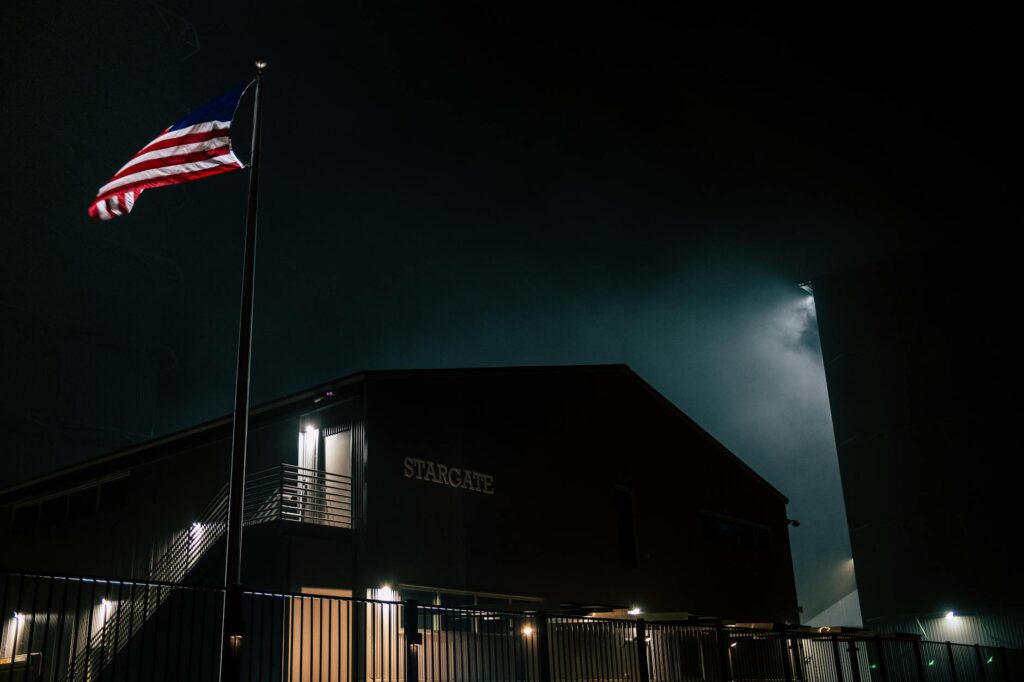
OpenAI has pulled the plug on its ambitious “Stargate UK” data centre project, citing spiralling energy costs and regulatory headaches in what represents a devastating blow to Britain’s AI ambitions. The tech giant’s decision, confirmed on Thursday, April 9, 2026, effectively shelves plans for a major AI infrastructure investment that ministers had hoped would cement the UK’s position as a global AI leader.
The Decision and Its Timing
The suspension of the Stargate UK project was first reported by Politico on Wednesday, April 8, before being confirmed by the BBC and The Guardian the following day. The news broke just weeks after Prime Minister Rishi Sunak had personally championed the UK as the “best place in Europe” for AI development, highlighting the embarrassing timing of the setback. While OpenAI has not issued a formal statement, sources familiar with the decision confirm that the project has been “paused indefinitely” rather than completely cancelled, though few in the industry are holding their breath for a reversal.
The energy costs mentioned in the BBC report are particularly telling. With UK electricity prices remaining among the highest in Europe, the operational expenses for running energy-intensive AI data centres have made the project financially unviable. On top of this, the UK’s evolving regulatory landscape for AI has apparently created too much uncertainty for OpenAI’s long-term planning. It’s a bloody cocktail of expensive power and bureaucratic red tape that has sent the tech giant packing before they even properly unpacked.
The Stargate UK Project: What Was Planned?
Stargate UK was meant to be OpenAI’s crown jewel in Europe, a state-of-the-art data centre capable of powering the next generation of artificial intelligence research and applications. The project, rumoured to involve investment exceeding £1 billion, would have created hundreds of high-skilled jobs and positioned the UK at the forefront of the global AI race. The facility was expected to utilise cutting-edge cooling technologies and renewable energy sources, though apparently not efficiently enough to satisfy OpenAI’s cost-benefit analysis.
Industry analysts had viewed Stargate UK as the cornerstone of the UK’s AI infrastructure strategy. The government had reportedly offered significant tax incentives and regulatory concessions to attract OpenAI to the UK, particularly after the company faced increased scrutiny in both the US and EU. Now, those incentives look like they were thrown down the drain, as the company has effectively told the government to stuff their red tape and expensive electricity bills where the sun don’t shine.
Government Response and Political Fallout
The Department for Science, Innovation and Technology has been left scrambling to contain the fallout. A spokesperson, speaking on condition of anonymity, admitted that while “disappointed” by the decision, the government remains “committed to creating the right conditions for AI investment in the UK.” The official failed to address specific concerns about energy costs or regulation, instead parroting vague talking points about the government’s “world-leading approach to AI governance.”
Labour’s shadow tech secretary, Lisa Nandy, was less diplomatic. “This is a humiliating blow to the government’s claims to be a science superpower,” she stated. “When even companies like OpenAI look at our energy prices and regulatory mess and decide to take their billions elsewhere, it’s time for a serious rethink.” The Conservatives, meanwhile, have pointed to other tech investments as proof of the UK’s attractiveness, though those announcements now look increasingly hollow against the backdrop of this high-profile defection.
The Broader Context: UK’s Struggling Tech Sector
This decision doesn’t exist in a vacuum. The UK’s tech sector has faced numerous challenges in recent years, from post-Brexit talent shortages to inconsistent government policy. The loss of Stargate UK comes amid growing concerns that the UK is falling behind in the global AI race, with both the US and China making significant strides in research and deployment. Industry experts suggest the UK needs a coherent, long-term strategy rather than piecemeal announcements and photo ops.
The regulatory environment mentioned by OpenAI has been particularly problematic. While the UK has positioned itself as having a “pro-innovation” approach to AI regulation, the reality has been a confusing patchwork of guidelines, consultations, and proposed legislation that businesses struggle to navigate. When compared to the more streamlined approaches of other jurisdictions, the UK’s regulatory landscape begins to look less like a carefully crafted framework and more like a bureaucratic minefield designed to scare away anyone with sense and money.
What Happens Now?
The immediate future for UK AI infrastructure looks uncertain. OpenAI’s decision sends a clear signal to other tech giants considering similar investments in the UK. Industry insiders suggest that without significant reforms to energy pricing and regulatory approaches, the UK may struggle to attract major AI infrastructure projects in the coming years.
The government is reportedly in “emergency talks” with tech companies to understand their concerns and identify potential solutions. However, given the scale of the issues involved—particularly energy costs which are tied to broader national energy policy—any meaningful changes will likely take years to implement. In the meantime, the UK’s AI ambitions remain in tatters, with one major project already on the scrap heap and others potentially reconsidering their plans. It’s a bloody shambles, really, and the only people who seem surprised are the politicians who thought they could wing it without actually understanding the industry they were trying to attract.