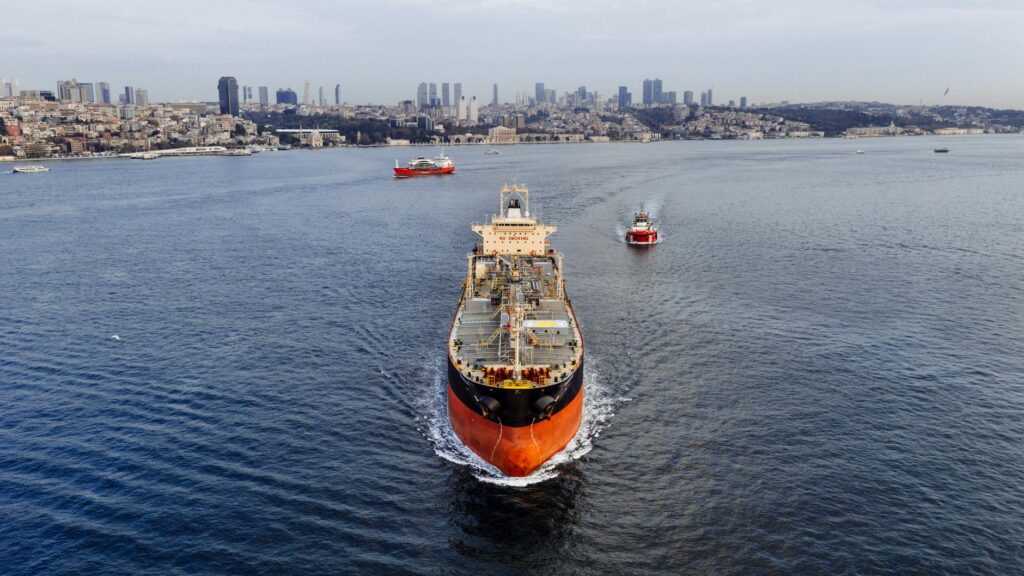
Donald Trump’s latest gamble‑it‑or‑lose‑it move saw the strategic Strait of Hormuz shut down on 17 April, grinding vital oil traffic to a halt and provoking an irate Iranian official to brand the decision “foolish”.
Trump Orders Hormuz Closure
At around 02:00 GMT on 17 April 2026, the White House announced that the United States would enforce a naval blockade of the Strait of Hormuz, the narrow waterway through which roughly 20 per cent of the world’s oil passes. The order came without warning, catching the global shipping industry off‑guard.
Trump, speaking to reporters on the deck of the USS Gerald R. Ford, justified the move as “necessary to force the Iranians back to the negotiating table”. He hinted that any further Iranian aggression would be met with “the full weight of American firepower”.
Iran’s Immediate Response
Two days later, on 19 April, an Iranian government spokesperson publicly condemned the blockade, calling it “foolish” and “counter‑productive”. The spokesperson demanded that Trump “lift the blockade immediately” and warned of “serious repercussions for regional stability”.
In a televised address, Iran’s Foreign Ministry echoed the sentiment, stating that the United States was “playing with fire” and that the decision threatened the flow of global energy supplies.
Impact on Global Shipping
Within hours of the announcement, dozens of oil tankers and cargo vessels rerouted or anchored outside the Gulf, creating a massive backlog. The International Maritime Organisation reported that over 30 ships were stranded by the end of 17 April, with insurers forecasting a potential spike in freight rates of up to 40 per cent.
Major oil exporters, including Saudi Arabia and Kuwait, issued statements urging “calm and swift resolution”. Brent crude rose by $3.20 per barrel, reflecting market anxiety over the sudden supply squeeze.
Background to the Crisis
The closure follows months of stalled peace talks aimed at curbing Iran’s ballistic‑missile programme and nuclear ambitions. Earlier in the year, the United Nations announced a tentative “peace talks update” that seemed to promise progress, only for Trump to intervene with his “stupid decision”, according to the Sky News headline on 17 April.
Iran has long viewed any US naval presence in the Hormuz corridor as a provocation. The 1980s Iran‑Iraq war saw similar brinkmanship, and the 2015 JCPOA had previously kept the waterway open under strict monitoring.
International Reactions
The UK’s Foreign Secretary called the move “reckless”, warning that “the global economy cannot afford another Gulf crisis”. The European Union issued a joint statement urging “immediate de‑escalation”.
In Washington, members of Congress split along partisan lines. House Republicans praised the “strong stance”, while Democrats labelled it “a dangerous stunt that jeopardises millions of lives”.
Consequences and What Comes Next
If the blockade persists, the United Nations may invoke Chapter VII of its charter, authorising collective action against the United States – an unprecedented step that would further isolate Trump’s administration.
Analysts predict that oil markets will remain volatile until a clear diplomatic pathway is announced. The next scheduled meeting of the Gulf Cooperation Council on 23 April could become the stage for a renewed push to reverse the blockade.
My Take
Trump’s decision reeks of the same bluster that got him the Oval Office in 2016: a flashy gamble with no regard for the collateral damage. Shutting the world’s most vital oil artery for political theatre is not only “foolish”, it’s a textbook case of an egomaniac playing chess with nuclear‑armed nations. If you’re looking for a recipe for economic chaos and a potential flashpoint for war, congratulations – you’ve just nailed it.