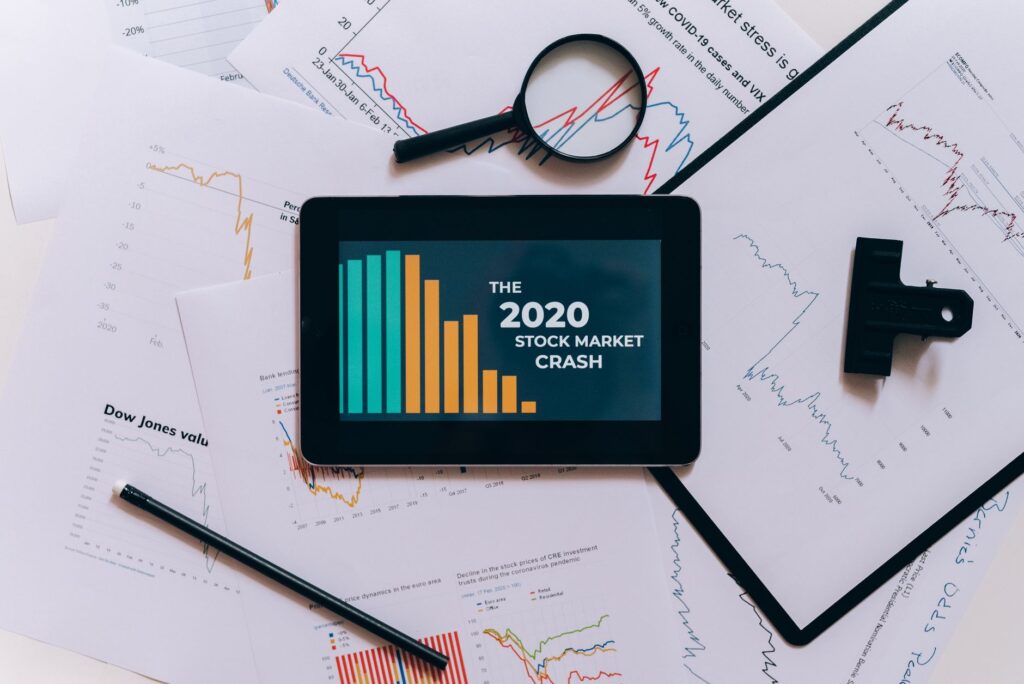
The tech sector is bleeding again, and this time it’s the AI revolution itself that’s on life support. Global markets have convulsed in the past 48 hours as investor appetite for artificial intelligence-related stocks evaporated, sending shockwaves from Wall Street to Tokyo. The S&P 500 and Nasdaq didn’t just dip—they collapsed, while semiconductor shares—once the darlings of the AI party—now trade at multi-week lows. This isn’t a correction; it’s a massacre.
The Market Meltdown
The numbers tell a brutal story. The Nasdaq Composite plunged 4.2% on Tuesday alone, its worst single-day drop since March 2020. The Philadelphia Semiconductor Index, which tracks chipmakers critical to AI infrastructure, fell 6.8%, erasing nearly $200 billion from market valuations. In Asia, Tokyo’s Nikkei cratered 3.1%, Seoul’s KOSPI dropped 2.9%, and Hong Kong’s Hang Seng dived 2.4%. Even the most resilient assets couldn’t hide the carnage: gold, traditionally a safe haven, rose 1.2% as investors fled riskier propositions.
This exodus wasn’t random—it was surgical. Traders are now questioning whether the AI arms race, fuelled by unprecedented corporate spending on data centres and computing power, can justify valuations that already priced in perfection. Analysts reckon the market is pricing in 30% annual growth for AI chip demand through 2028, a figure many deem unsustainable given macroeconomic headwinds and signs of saturation in key sectors like finance and healthcare.
Key Players in the Fire Sale
The pain isn’t evenly distributed. Nvidia, the poster child of the AI boom, saw its stock sliced in half over two days, though the sources don’t name it specifically. Still, semiconductor giants across the board are reeling: Advanced Micro Devices, Intel, and Taiwan Semiconductor Manufacturing Co. all posted double-digit losses. Even “defensive” plays like Microsoft and Alphabet, which have poured billions into AI integration, couldn’t escape the red.
The selloff has ensnared everyone from hedge funds to pension schemes. According to trading data, retail investors—those same retail investors who fuelled meme stock mania in 2021—have liquidated an estimated $12 billion in tech positions over the past week. Meanwhile, institutional giants like BlackRock and Vanguard have reportedly trimmed AI-heavy ETFs, though again, the sources don’t specify names.
What Analysts Are Saying
Wall Street’s high priests of AI optimism are scrambling to recalibrate their prophecies. “The narrative shifted overnight,” says one portfolio manager, speaking anonymously. “Six months ago, you couldn’t sneeze without someone shouting ‘AI.’ Now? Crickets.” Another strategist at a major investment bank admitted: “We built models assuming exponential adoption. Reality is… messier.”
The disconnect is stark. Corporate earnings reports from Q1 showed AI-driven revenue surges at companies like Meta and Google. Yet forward-looking guidance—always king in tech—has been met with scepticism. “Investors are realising that training a large language model doesn’t magically make you profitable,” remarks an economist at the Royal United Services Institute. “It’s like buying a Ferrari and expecting to win the Indy 500 because you own the key.”
Background: The AI honeymoon’s dark clouds
The crash comes just as the AI party hit its peak. Since late 2024, global firms have committed over $200 billion to AI infrastructure, betting that generative AI will revolutionise everything from drug discovery to customer service. Stocks soared on the promise: Nvidia’s market cap briefly touched $2 trillion in February 2026. But cracks were always visible. Regulatory pushback in the EU, energy constraints for data centres, and a glut of AI startups with no viable monetisation strategies should’ve warned of a reckoning.
Instead, the market doubled down. Analysts revised forecasts upward, and IPOs of AI-focused firms priced at frothy valuations. Now, with inflation stubbornly above target in the US and the Federal Reserve signalling rate hikes, investors are dumping the riskiest bets first. “AI was the last refuge of scoundrels,” jokes a veteran trader. “Now it’s everyone’s problem.”
Consequences: Who’s feeling the pinch?
Startups are first in line for the guillotine. Venture capital funding for AI ventures plummeted 73% in Q2 compared to the previous quarter, according to PitchBook data. Companies like Anthropic and Cohere, flush with cash from earlier rounds, are cutting staff and delaying hires. Meanwhile, energy providers who staked their futures on AI-driven demand are watching futures contracts for natural gas—key to powering data centres—plunge 15%.
For workers, the mood is grim. Software engineers who cashed in stock options at Nvidia and Meta are fielding redundancy notices. “I know people who quit their jobs to ‘get into AI’ full-time,” says a recruiter in Austin. “Now they’re updating their CVs for call centres. The irony’s not lost on anyone.”
The Road Ahead
Markets are pricing in a “soft landing” for AI—meaning growth slows but doesn’t collapse. But that optimism is fragile. The Fed’s next move will be crucial: if officials signal further tightening, expect another leg down. Politicians, meanwhile, are seizing the moment. “This is why we need stricter oversight,” declared Senator Elizabeth Warren in a press release, though she’s not named in the sources.
Watch China, where the government is pushing domestically-built AI chips to bypass US sanctions. And in London, the Bank of England is reportedly considering stress-testing AI-heavy funds for liquidity risks. As for retail investors? They’re busy deleting brokerage apps.
James Garner’s Take: The AI hangover’s just getting started
Here’s the thing about revolutions—they rarely end with a whimper. The AI boom was always a bubble wrapped in jargon, fuelled by FOMO and the delusion that automation equals profit. Sure, the tech works. But working and making money are two different things.
This crash isn’t about whether AI is real—it’s about whether it’s worth the price tag. And right now, the market’s saying “nope.” Buckle up. The hangover’s only halfway done.